
The Do's and Don'ts of a Bed Bug Infestation
Discovering bed bugs is one of the most stressful pest situations a homeowner can face. What you do in the first 24 hours matters more than most people realize. The wrong moves can spread the infestation. The right ones contain it.
Quick Overview
- Don't panic and don't start moving items between rooms. Transporting bedding, clothing, or furniture out of an infested area before treatment is one of the most common ways bed bugs spread to new locations.
- Heat is your immediate ally. Washing and drying bedding, clothing, and fabric items on the highest heat setting kills bed bugs and eggs at all life stages.
- Improper DIY pesticide treatment can scatter a bed bug infestation and make it significantly harder to eliminate. Professional treatment with a licensed exterminator is the reliable path forward.
The Do's and Don'ts of a Bed Bug Infestation
Bed bugs are resurging across the United States. The EPA, CDC, and USDA all classify them as a public health pest, and according to the EPA, experts point to increased travel, pesticide resistance, and gaps in public awareness as the main drivers of the comeback. These insects are found in homes, hotels, buses, movie theaters, and anywhere else people spend time sitting or sleeping.
Finding them in your home is understandably alarming. But in our 29 years handling pest infestations across Winchester, VA and the surrounding region, we've seen that the homeowners who respond calmly and methodically get the best outcomes. Here's how to do that.
How Do You Know If You Have Bed Bugs?
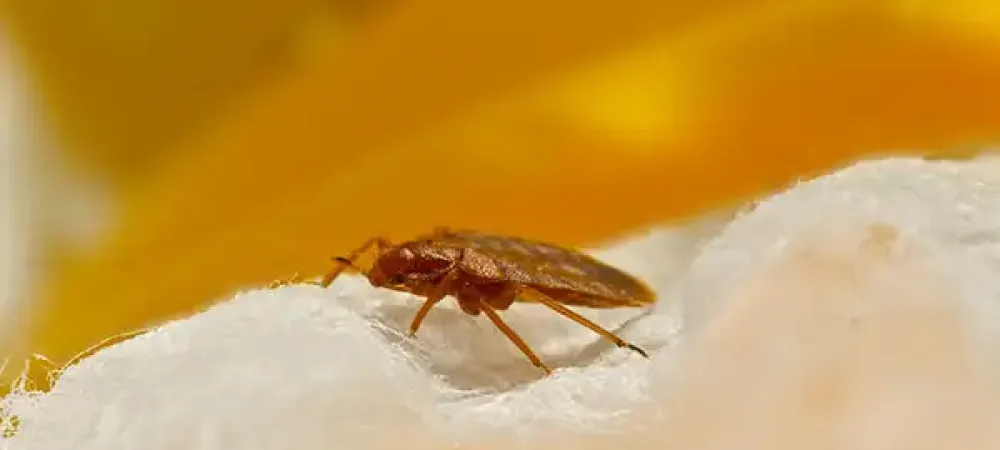
According to the CDC, bed bugs range from 1mm to 7mm in size, roughly the size of Lincoln's head on a penny. They are reddish-brown, wingless, and flat-bodied, which allows them to hide in very small spaces. They are most active at night, feeding on blood while people sleep, and they can live several months without a blood meal.
Signs of a bed bug infestation include:
- Small, reddish-brown insects in the seams of mattresses, box springs, or upholstered furniture
- Tiny white eggs or pale yellow shed skins in crevices near sleeping areas
- Small dark stains on bedding (excrement or blood spots)
- A sweet, musty odor in heavily infested rooms
- Itchy bite marks on exposed skin, though bites can take up to 14 days to appear in some people
Don't rely on bite marks alone to confirm an infestation. Bites are inconsistent and look similar to other insect bites. Focus on physical evidence in the sleeping area. Check our complete guide to dealing with a bed bug infestation for a more detailed walkthrough of what to look for and where.
Why Are Bed Bugs So Hard to Eliminate?
Bed bugs are persistent for a few specific reasons. First, they hide extremely well. Their flat bodies allow them to tuck into seams, cracks, outlets, picture frames, and anywhere near where people sleep, making thorough treatment genuinely difficult. Second, bed bug populations in the U.S. have developed resistance to many common pesticides. CDC surveillance data has identified pyrethroid-resistant bed bug populations across multiple states, including Virginia, which means over-the-counter treatments often fail even when applied correctly.
Third, and most importantly for containment purposes: bed bugs spread easily. They travel on clothing, luggage, furniture, and bedding. A single misstep in the early response phase, like moving an infested item to another room, can turn a contained problem into a whole-home infestation.
What Should You Do (and Not Do) When You Find Bed Bugs?
Don't Panic, But Do Act Quickly
Discovering bed bugs is stressful, and that stress can push people toward hasty decisions that make things worse. Take a breath. The infestation didn't happen overnight, and it won't be resolved overnight either. What matters is systematic action, not frantic reaction.
Start by doing a thorough inspection of the areas nearest to where you sleep. Check mattress seams and tufts, the box spring, the bed frame, headboard, nearby nightstands, and any cracks or crevices in the wall near the bed. You and I both know it's tempting to start moving things around during this inspection, but keep everything in place until you've assessed the full scope of the problem.
Do Isolate the Affected Area Immediately
Once you've confirmed bed bugs, containment is the priority. Do not carry bedding, clothing, or furniture out of the infested room without sealing it first. Bed bugs cling to fabric and can drop off along the route, establishing new harborage points throughout your home.
Here's what to do:
- Strip the bed and place all bedding directly into a sealed plastic bag before moving it to the laundry. Wash and dry on the highest heat setting available. The CDC notes that heating infested items to 118°F for at least one hour kills bed bugs at all life stages.
- Do the same with any clothing or fabric items near the bed.
- Consider encasing your mattress and box spring in bed bug-proof covers. This traps any bugs remaining inside and prevents new ones from hiding in the seams.
- Reduce clutter in the affected room. Clutter gives bed bugs more hiding places and makes treatment less effective.
Don't Attempt DIY Pesticide Treatment
This is one of the most important don'ts on this list. Improper pesticide use doesn't just fail to eliminate bed bugs. It can actively scatter them, driving bugs deeper into walls and to other areas of the home where they're harder to reach. It can also expose your household to unnecessary chemical risk.
The CDC has documented cases of acute illness associated with insecticide misuse during bed bug treatment, most commonly from excessive application and failure to follow label instructions. Beyond safety, bed bugs' growing resistance to common pesticides means that consumer products frequently don't work even when used as directed.
Bug zappers and foggers, in particular, are not effective against bed bugs and can make the situation worse by dispersing insects to untreated areas.
Do Reach Out for Professional Treatment
Professional bed bug treatment works because it combines multiple approaches: targeted pesticide application by a licensed applicator, HEPA vacuuming, heat treatment options, and thorough follow-up inspections. The EPA emphasizes that there is no chemical quick fix for bed bugs, and that effective control requires integrated methods applied by someone who knows what they're doing.
When evaluating exterminators, look for:
- State licensing (in Virginia, pest control operators must be licensed)
- Experience specifically with bed bug treatment, not just general pest control
- A clear explanation of their treatment method and preparation requirements
- Follow-up visit provisions, because multiple treatments are often needed
A good exterminator will answer all of your questions before treatment begins. Don't hesitate to ask. Our bed bug control services are built around that expectation.
What Does Professional Bed Bug Treatment Involve?
At Barrett Pest & Termite Services, our bed bug treatment process starts with a detailed inspection to confirm the extent of the infestation and identify all harborage areas. We've found that the infestations homeowners think are limited to one room often have secondary sites in adjacent areas, which is why a thorough pre-treatment inspection matters as much as the treatment itself.
Treatment typically involves a combination of targeted pesticide application to known harborage points, treatment of cracks and crevices, and follow-up visits to address any activity that survives the initial treatment. We'll walk you through preparation requirements before we arrive, and we'll explain exactly what was done and what to expect afterward.
How Do You Prevent Bed Bugs From Returning?
Bed bugs don't come from unsanitary conditions. They hitchhike. Anyone who travels, buys secondhand furniture, or spends time in places where many people sleep is at some level of risk. That said, a few habits significantly reduce exposure:
- Inspect hotel rooms before unpacking. Pull back the bedding and check the mattress seams. Store luggage on the luggage rack, not the floor or bed.
- Inspect secondhand furniture before bringing it inside. Upholstered items, in particular, are a common way bed bugs enter new homes. The EPA recommends avoiding used mattresses and box springs entirely.
- Use mattress encasements. A quality bed bug-proof encasement on your mattress and box spring eliminates hiding spots and makes future inspections easier.
- Check luggage after travel. Inspect bags and clothing before bringing them into bedrooms, particularly after stays in high-traffic accommodations.
For more detailed prevention strategies, see our post on the do's and don'ts of handling a bed bug infestation for the full picture.
How Stressful Is Bed Bug Treatment, Really?
We won't sugarcoat it: bed bug treatment requires preparation and follow-through on your part. But working with a knowledgeable professional makes the process significantly more manageable, and it's the only approach that reliably works. What we tell homeowners: the sooner treatment begins, the smaller the infestation, and the fewer treatments typically needed. Early action saves time, money, and stress.
Suspect Bed Bugs? Contact Our Team Today
If you think you may have bed bugs in your home, don't wait and hope they go away. Contact Barrett Pest & Termite Services to schedule a consultation. We serve Winchester, VA, the Eastern Panhandle of WV, and surrounding communities across Virginia with licensed, experienced bed bug treatment backed by our satisfaction guarantee. Call us today or fill out our online form to get started.