
The Most Common Ways Pests Get Into Your Home
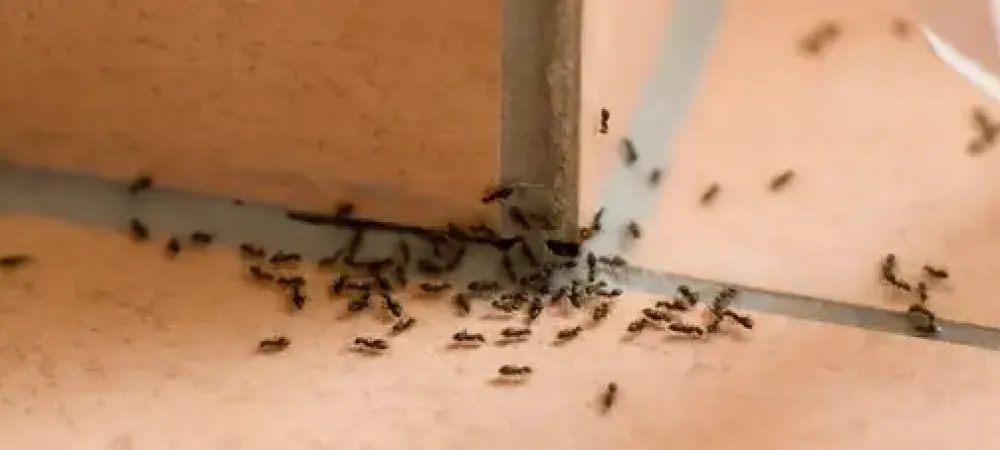
You sealed the front door. You kept the windows closed. And somehow, you still have ants in the kitchen. Here's why: pests don't need obvious openings. They need any opening at all.
What You Need to Know
- A mouse can squeeze through a gap the size of a dime. Insects need even less. Most pest entry points are gaps homeowners never think to check.
- Rooflines, utility penetrations, and damaged soffits are among the most overlooked entry points in residential pest control.
- Landscaping that contacts your home's exterior creates direct pest pathways to walls, siding, and rooflines.
The Most Common Ways Pests Get Into Your Home
Pests are remarkably good at finding structural vulnerabilities that most homeowners never notice. In our 29 years serving homeowners across Winchester, VA and the Eastern Panhandle of WV, we've conducted thousands of exterior inspections. The same entry points show up again and again, in homes that are otherwise well-maintained. Knowing where to look is half the battle.
Keeping your home pest-free isn't just about treatment. It's about understanding how pests find their way inside and cutting off those routes before an infestation develops. Here's what we consistently see in the field.
Why Do Pests Keep Getting In Even When You Think You've Sealed Everything?
The honest answer is that most homes have more openings than their owners realize. Normal settling, seasonal temperature changes, and everyday wear all create new gaps over time. A gap just ¼ inch wide is large enough for a young mouse to squeeze through. According to the U.S. Department of Energy's Building America Solution Center, sealing all exterior holes or joints larger than ¼ inch is one of the most effective measures homeowners can take to prevent rodent entry.
Insects require even less space. Ants can navigate openings as small as 1/25 of an inch. That's why a comprehensive approach to pest prevention involves inspecting the entire building envelope, not just the obvious spots around doors and windows.
Where Do Pests Actually Enter Homes?
Most pest entry doesn't happen through the front door. It happens through the gaps we don't think about: the space where a pipe passes through the foundation, the cracked sill plate in the basement, the soffit that shifted over the winter. In our experience, the homes that struggle most with recurring pest pressure are ones where several of these overlooked entry points exist simultaneously, each one individually small but collectively giving pests broad access to the interior.
A full exterior inspection, done systematically from the foundation up to the roofline, is the most reliable way to identify what's actually letting pests in. Here's what that inspection should cover.
The Most Common Pest Entry Points in Residential Homes
1. Cracks and Gaps in the Foundation
The foundation is where your home meets the ground, and it's the first place pests look for a way in. Concrete foundations develop cracks over time due to soil movement, moisture cycles, and natural settling. Even hairline cracks can serve as entry points for ants, cockroaches, and spiders, while more substantial gaps invite rodents.
Pay particular attention to:
- The joint where the foundation wall meets the sill plate
- Areas around utility penetrations (water lines, gas, electrical conduit)
- Exposed foundation near basement windows and crawl space vents
The EPA recommends using caulk, steel wool, or foam insulation to block gaps around pipe openings at the foundation level, since these penetrations are among the most commonly used pest entry routes in residential structures. For more on what to do once you've identified these vulnerabilities, our guide on home improvements that help prevent pest problems walks through the repair steps.
2. Doors and Windows That Don't Seal Properly
This is the entry point most homeowners focus on, and for good reason. But the issue is rarely a wide-open door. It's the worn weather stripping that no longer contacts the threshold, the window frame with a hairline gap along the caulk joint, or the screen with a small tear that's easy to miss unless you're looking closely.
Specific things to check:
- Door sweeps: Stand inside with the lights off during daytime. If you see light under the door, there's a gap large enough for pests to use. A proper door sweep should brush the floor without holding the door open.
- Window screens: Even small holes or gaps around the frame create access for flying insects. Replace damaged screens and check that frames sit snugly.
- Garage doors: The rubber astragal seal at the bottom wears down with use and is frequently where rodents enter attached garages.
3. Rooflines, Soffits, and Attic Vents
This is the entry point most homeowners never think about, yet it's one of the most common routes for both insects and wildlife. Missing or damaged fascia boards, gaps where soffits connect, and unscreened attic vents all provide direct access to your attic, which then serves as a harborage and staging area for pests moving further into the home.
Roofline issues require closer attention than many homeowners realize. A sagging or damaged roof section creates both a structural vulnerability and a moisture problem. Water damage and deterioration that accompany roof damage produce conditions that actively attract pests looking for warmth and harborage.
Roof-level inspections and repairs should be handled by professionals who can work safely at height. But from the ground, you can often spot obvious gaps at the soffit line, missing fascia sections, or damaged vent covers with standard binoculars. If something looks off, get it checked promptly.
4. Utility Penetrations and Pipe Entry Points
Anywhere a pipe, wire, or conduit passes through your home's exterior is a potential entry point. These penetrations are made during construction or utility work, and the sealant around them degrades over time. Termites, cockroaches, and rodents frequently use gaps around sewer lines, water supply lines, and electrical conduit to access wall cavities and crawl spaces.
Check these areas during your seasonal inspection:
- Outdoor faucets where supply lines enter the wall
- HVAC lines where they pass through the foundation or exterior wall
- Dryer vents (also a common mouse entry point if the flap is damaged or missing)
- Cable and phone line entry points
Steel wool packed into gaps and covered with caulk or foam is an effective repair for most of these penetrations. Rodents can't chew through it the way they can through foam alone.
5. Overgrown Landscaping and Vegetation Against the House
Plants and shrubs that directly contact your home's siding, foundation, or roofline function as pest highways. Tree branches overhanging the roof give squirrels, roof rats, and insects a direct path to your roofline without touching the ground. Dense ground cover against the foundation retains moisture and provides harborage close to the structure.
We've found that properties with well-maintained setback between vegetation and the home have consistently fewer pest entry problems. The practical standard is to keep all shrubs, ground cover, and branches at least 18 to 24 inches away from the home's exterior. Firewood stacked against the foundation is another common issue, serving as both harborage and a direct bridge to the sill plate for termites and carpenter ants.
Can I Find All the Entry Points Myself?
A DIY inspection can catch a lot. Walking the exterior perimeter systematically, checking the foundation, utility penetrations, window and door frames, and the visible soffit line will uncover most of the accessible entry points. Caulk, weather stripping, steel wool, and hardware cloth handle the majority of repairs homeowners encounter.
What's harder to catch without professional experience: roofline gaps, interior wall penetrations in crawl spaces and basements, and the subtle structural signs that indicate a pest infestation is already underway. If you're finding signs of pest activity inside, that typically means entry points already exist that a DIY walk-around hasn't identified.
What Does a Professional Pest Inspection Actually Look For?
At Barrett Pest & Termite Services, our inspections go beyond a surface-level check. We evaluate the full exterior envelope, including crawl space access points, roofline vulnerabilities, and the utility penetrations that are easiest to overlook. We also identify conditions that attract specific pest species, so our treatment and prevention recommendations are tailored to what your property is actually vulnerable to.
If rodents are getting in, we find where. If cockroaches are exploiting a utility penetration near a moisture source, we identify it. Our general pest control services include perimeter treatment that creates a protective barrier while you address the structural entry points.
How Often Should I Inspect for Pest Entry Points?
Twice a year is the practical standard: once in early spring before pest season begins, and once in fall before temperatures drop and pests begin seeking indoor harborage. Both transitions are when pests are most actively searching for new entry points, and both seasons expose structural damage that winter or summer conditions can create.
What we tell every homeowner: a small investment of time on a seasonal inspection prevents most of the pest problems that would otherwise require treatment. If something looks off, address it before pests do.
What's the Next Step If You're Dealing With Pest Activity?
Barrett Pest & Termite Services serves homeowners across Winchester, VA, Berryville, Strasburg, and the Virginia Eastern Panhandle region. Our team has 29 years of combined experience identifying the entry points pests use in local homes and providing treatment and prevention that delivers real, lasting results. If pests return between scheduled visits, we come back and re-treat at no additional charge.
Schedule Your Free Pest Inspection Today
If you're seeing signs of pests inside your home, don't wait for the problem to grow. Contact Barrett Pest & Termite Services to schedule your free on-site inspection. We'll identify how pests are getting in, recommend the right repairs, and put a protection plan in place that keeps your home secure. Call us today or submit our online form to get started.