What Home Improvements Could Help Prevent Pest Issues?
Most pest problems don't start with a bug. They start with a gap in your foundation, a clogged gutter, or a cracked window screen. Fix the right things around your home, and you make it far harder for pests to move in.
What You Need to Know
- Moisture is one of the top attractants for ants, termites, cockroaches, and rodents. Fixing drainage and waterproofing issues cuts off a major reason pests target your home.
- Pests can squeeze through gaps as small as ¼ inch. Sealing cracks around doors, windows, pipes, and vents removes the access points they rely on.
- Exterior wall damage significantly increases rodent risk. Keeping your home's structure sound is as much a pest prevention measure as it is a maintenance one.
What Home Improvements Help Prevent Pest Problems?
Pest control services do a lot of the heavy lifting when it comes to protecting your home. But in our 29 years serving homeowners in Winchester, VA and the surrounding region, we've learned that the homes that stay pest-free longest are the ones where the homeowner has done their part too. The right home improvements remove the conditions that attract pests in the first place, which means fewer infestations and better results when professional treatment is needed.
Pests need three things to settle into your home: a way in, water, and food. Control the first two with targeted improvements, and you've already cut the problem down significantly.
Why Do Pests Keep Getting Into My Home?
Here's the frustrating reality: a well-maintained exterior is one of the best pest deterrents available, yet it's easy to overlook. Pests don't need a wide-open door. According to the EPA, gaps as small as ¼ inch are large enough for a mouse to squeeze through. Insects need even less space.
Most entry points develop gradually over time through normal wear, settling, and weather exposure. By the time you notice pest activity inside, the access points have often been there for months. Addressing them proactively, before an infestation takes hold, is almost always less expensive and less stressful than dealing with one after the fact.
What Structural Issues Make a Home More Vulnerable to Pests?
In our experience, the homes that see recurring pest problems share a few things in common: excess moisture somewhere on the property, gaps in the building envelope that haven't been addressed, and exterior damage that's been ignored. These aren't rare situations. They're normal outcomes of a home aging without routine maintenance.
Understanding the most common ways pests get into your home is the first step. From there, targeted improvements can systematically close off the vulnerabilities pests are most likely to exploit.
Which Home Improvements Reduce Pest Risk the Most?
1. Address Moisture Problems First
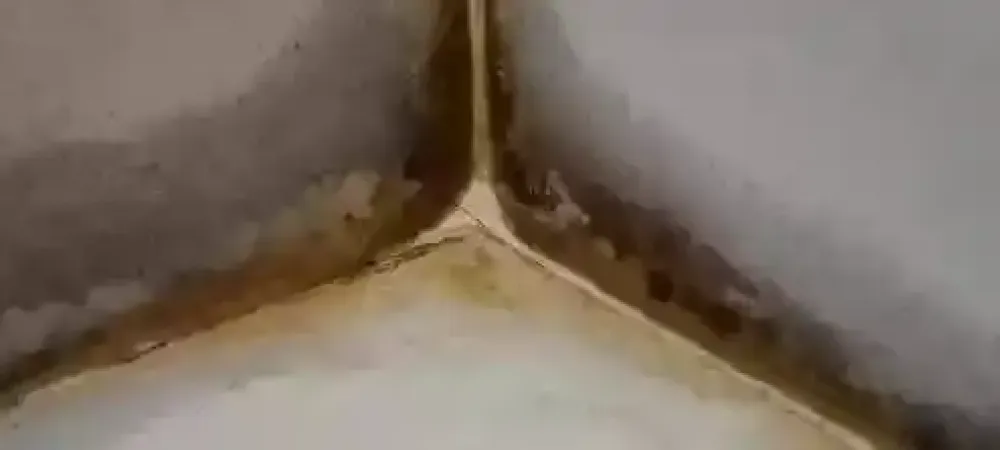
Moisture is a magnet for pests. Ants, termites, cockroaches, and rodents are all drawn to damp environments because they need water to survive. The EPA recommends fixing leaking pipes and faucets immediately, because even a slow drip creates a reliable water source for rats, mice, and cockroaches, while also contributing to mold growth.
Key moisture-related improvements to consider:
- Basement waterproofing: Damp basements are prime habitat for cockroaches, silverfish, and carpenter ants. Encapsulating a crawl space or waterproofing a basement removes the moisture that makes those spaces attractive.
- Gutter maintenance and repair: Clogged or broken gutters allow water to pool near your foundation. Standing water in gutters also provides a resource for carpenter ants, mosquitoes, and rodents. Keep gutters clean and free-flowing.
- Grading and drainage: If your yard slopes toward your foundation, water collects against the base of your home. Correcting drainage patterns so water moves away from the structure reduces both moisture intrusion and pest pressure.
2. Seal Gaps Around Windows, Doors, and Pipes
This is the most direct pest prevention improvement you can make. Insects and rodents are highly skilled at finding tiny openings, and even a well-built home develops gaps over time as materials settle, expand, and contract with temperature changes.
Focus on these areas:
- Windows and doors: Apply fresh caulk around window frames and replace worn weather stripping along door edges. Doors that don't seal at the bottom should have sweeps installed that contact the floor.
- Pipe penetrations: Anywhere a pipe enters or exits your home is a potential entry point. The EPA recommends using caulk, steel wool, or foam insulation to close gaps around sewer lines, water supply lines, and utility conduits.
- Window screens: Torn or damaged screens are an open invitation to flying insects. Replace any screens with holes or gaps, and verify that screens fit snugly in their frames.
You and I both know that caulk and weather stripping are inexpensive. The time investment is small compared to the pest pressure they prevent.
3. Repair Exterior Wall Damage
Rodents are creative and persistent when it comes to finding access. Damaged exterior walls, particularly those with cracks, gaps around siding joints, or areas where materials have pulled away, give them a direct path inside. The original blog referenced U.S. Census data indicating that homes with leaning, buckling, or seriously sloping walls are significantly more likely to have rodent problems. While that statistic specifically applies to severe structural damage, even minor wall damage creates accessible entry points for mice and rats.
Walk your home's exterior each spring and fall and note any areas where siding is damaged, mortar is crumbling, or gaps have formed around trim. Prompt repairs close entry points before pests find them. If you're already seeing signs of rodent activity inside, check out our guidance on what issues at home can cause rodent sightings for a more complete picture of what may be contributing.
4. Screen All Vents
Roof vents, soffit vents, and crawl space vents are entry points that homeowners often forget to check. Without screens, these openings are essentially open doors for insects, rodents, and even wildlife. Bats, squirrels, and birds commonly enter through unscreened roof-level vents. Insects use crawl space vents to access the underside of the home.
Lower-level vents, such as those serving a crawl space, can be a DIY project using hardware cloth or purpose-made vent covers. Roof-level work should be handled by professionals who can work safely at height and identify any existing damage in the process.
Can I Handle Pest Prevention Improvements Myself?
Many of these improvements are reasonable DIY projects. Caulking gaps, replacing weather stripping, installing door sweeps, and repairing window screens are tasks most homeowners can complete on a weekend with basic tools and materials from a hardware store. These are also some of the highest-return pest prevention investments available, because they directly remove the access points pests depend on.
Some improvements are better left to professionals. Waterproofing a basement or encapsulating a crawl space, for example, typically requires specialized materials and equipment to do effectively. Roof work, including vent screening, carries safety risks. And correcting drainage issues around a foundation may require grading work that goes beyond basic landscaping.
The distinction worth keeping in mind: DIY maintenance addresses the access points you can see and reach. A professional pest inspection identifies the ones you can't.
How Does Professional Pest Control Work Alongside These Improvements?
Home improvements reduce pest pressure. Professional pest control addresses what's already there and keeps it from returning. The two approaches work best together.
At Barrett Pest & Termite Services, our process starts with a thorough inspection of your property's exterior. We identify the vulnerabilities pests are using or likely to target, including entry points, moisture issues, and conditions that attract specific pest species. From there, our general pest control services focus on treatment and ongoing prevention, not just a one-time application.
We've found that the homeowners who see the best long-term results invest in both structural prevention and professional treatment. Neither works as well without the other. If pests return between scheduled visits, we return and re-treat at no additional cost. That's our guarantee.
What Else Can I Do to Keep Pests Out Long-Term?
Beyond structural improvements, a few ongoing habits reinforce your home's pest resistance:
- Store firewood well away from your home's exterior and off the ground. Stacked wood against a foundation is a common harborage site for termites, carpenter ants, and rodents.
- Keep vegetation trimmed back from the house. Overgrown shrubs and ground cover that touch the siding create pest highways directly to your walls.
- Remove leaf piles and yard debris promptly. The EPA identifies leaf piles and deep mulch as prime rodent nesting sites.
- Make sure exterior lighting doesn't draw insects toward entry points. Switching to yellow or warm-toned bulbs near doors reduces insect attraction.
Seasonal inspections matter too. Walk the perimeter each spring after winter weather and in the fall before temperatures drop. Both are periods when pests are actively seeking new harborage, and those same conditions expose gaps and damage that cold or heat cycles create.
When Should I Call a Pest Control Professional?
Even well-maintained homes can develop pest problems. If you're already seeing signs of activity, or if you want a professional assessment of your home's vulnerabilities before making improvements, a consultation is the right starting point. What we tell every homeowner is this: it's far easier and less costly to address a pest problem early than after it's established. The same is true for the structural conditions that invite pests in.
Barrett Pest & Termite Services serves Winchester, VA, the Eastern Panhandle of WV, and surrounding communities across Virginia. Our team has the experience and tools to evaluate your specific situation and build a protection plan that fits your home.
Schedule a Free Pest Consultation Today
If you're ready to take a closer look at what might be making your home vulnerable to pests, or if you're already dealing with an infestation that home improvements alone won't solve, contact Barrett Pest & Termite Services to schedule your free on-site consultation. Our rodent control and termite services are backed by a satisfaction guarantee. Call us today and let's build a plan that keeps pests out for good.